

Clothes moths are a silent problem in many homes. But what are they? Basically they are insects that eat clothes… like… literally. You pull out a favorite sweater or coat and see small holes or white webbing. You notice tiny moths flying around your closet or bedroom. You feel frustrated angry and worried. Your good clothes are damaged. You wonder how this happened and if it will spread to everything else. You want them gone fast safely and without strong chemicals especially if kids or pets are around. I have been there finding holes in a wool scarf I loved and feeling upset because it was expensive and sentimental. Then there was only one thought on my mind how can I kill moths?
The good news is you can get rid of clothes moths naturally and stop them coming back. These steps work in real homes. They are simple safe and effective. You do not need expensive sprays or pros right away. Most people handle it themselves with things they already have.
Why Clothes Moths Show Up in the First Place

Its a point to think over that why do Moths eat clothes? Clothes moths usually come from infested items you bought or brought home. Eggs or tiny larvae hide in wool silk cashmere needing the wool moth control or even cotton with food stains or sweat. Warm dark quiet closets make them hatch fast. In smaller spaces, poor organization makes it even easier for them to spread, especially if clothes are tightly packed together like in a small closet with lots of clothes. Once inside they spread to other natural-fiber clothes.
Your frustration is real. You feel upset when expensive or sentimental clothes get damaged. You waste money replacing things. You desire a closet full of hole-free clothes and peace of mind. You want to stop this from happening again so you do not have to keep checking clothes or cleaning closets every few months.
How to Get Rid of Clothes Moths Naturally Step by Step

Follow these steps in order. Do not skip any. This is the fastest way to clear them out.
- Inspect every item. This becomes even more important when clothes are stored without a proper wardrobe setup and are kept in open spaces or racks. Check collars cuffs armpits pockets creases and folded areas. Look for small holes webbing larvae or eggs.
- Throw away or isolate infested clothes. Seal badly damaged items in plastic bags and trash them outside.
- Wash or dry clean everything else. Hot wash or professional dry clean kills eggs and larvae.
- Vacuum the entire closet. Get cracks corners shelves rods and baseboards. Empty vacuum outside immediately.
- Freeze non-washable items for 72 hours. Put in sealed bags and freeze to kill eggs and larvae.
- Use cedar blocks lavender sachets or bay leaves. Moths hate these natural smells. Place them in drawers and shelves.
- Store clean clothes in airtight bags or boxes.Proper packing methods also help prevent hidden eggs from surviving, especially during seasonal storage or moving. Use vacuum-seal bags for off-season items.
- Monitor with pheromone traps. Place sticky traps in closet to catch male moths and see if numbers drop.
These steps kill moths you see and eggs you do not see. Do it all in one go and your closet will be moth-free fast. I did this once and had no moths for over a year after.
How to Prevent Clothes Moths from Coming Back
Prevention is easier than cleaning up again. Do these things every time.
- Keep closet cool dry and well-ventilated. Moths love warmth humidity and dark quiet spots.
- Wash or dry clean clothes before storing. Even slightly worn items have skin cells or sweat that attract moths.
- Store off-season clothes in airtight bags or boxes. Vacuum-seal for extra protection.
- Using strong slim hangers like Techzoo velvet hangers that prevent clothes from falling off also helps keep clothes spaced properly so air can circulate and fabrics stay dry which makes your closet less attractive to moths. The size and shape of hangers also matter because incorrect width can stretch fabrics or cause crowding.
- Use cedar blocks lavender sachets or neem leaves in drawers and shelves.
- Clean closet regularly. Vacuum and wipe down every few months.
- Check new clothes or thrift items before adding them to your closet.
- Using smaller, well-fitted hangers helps maintain shape and keeps items separated.
- Avoid storing dirty or sweaty clothes. They attract moths fast.
Your intention is to keep clothes safe and hole-free for years. These habits make it happen. You save money because you do not replace damaged clothes. You save time because you do not clean up moths every few months. You feel better knowing your wardrobe is protected.
Most Common Clothes Moth

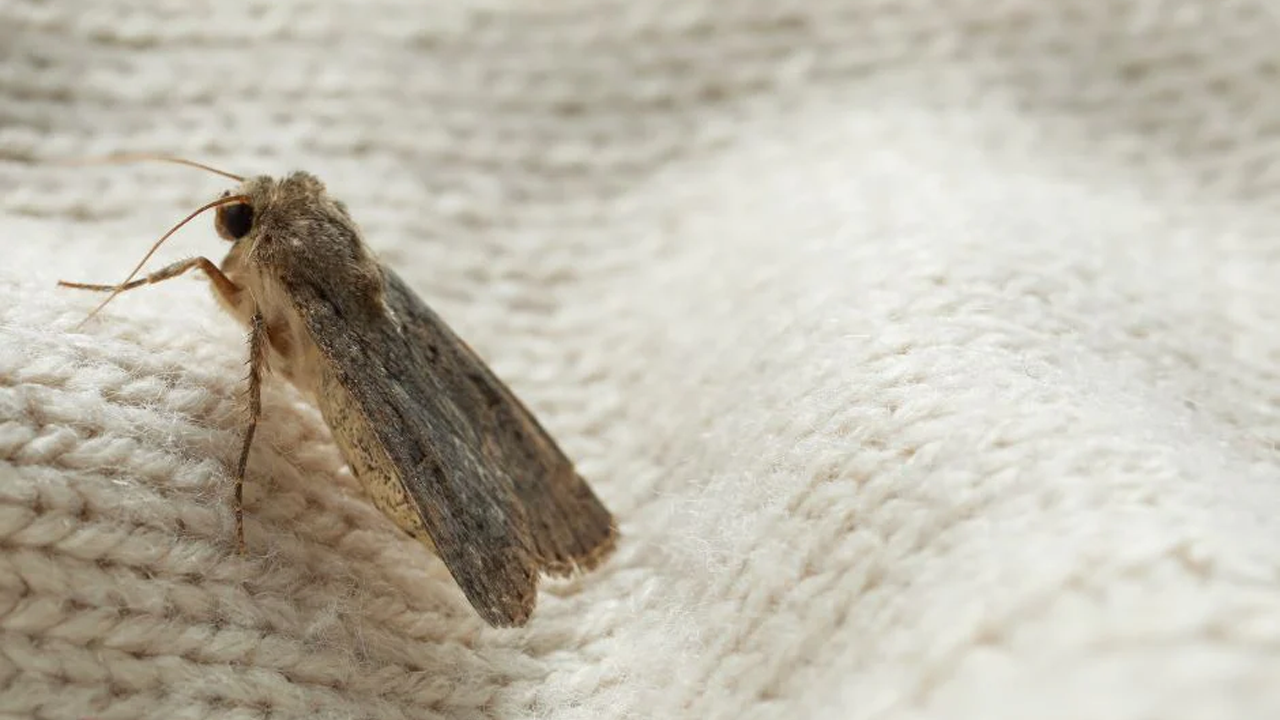
The common clothes moth (Tineola bisselliella) is a small golden beige moth about 6 to 8 mm long with narrow wings that have a fringe of hairs its larvae are the ones that eat natural fibers like wool silk and cashmere causing small holes in clothes.
Dos and Donts for Clothes Moth Control
Dos
- Inspect clothes regularly
- Wash or dry clean before storing
- Use airtight storage bags
- Add cedar or lavender in closet
- Vacuum closet often
- Freeze suspect items
- Monitor with pheromone traps
- Store only clean clothes
Donts
- Store dirty or sweaty clothes
- Keep closet warm and humid
- Leave infested items in closet
- Use old plastic bags for storage
- Ignore small holes or webbing
- Overload closet so air cannot circulate
- Skip cleaning corners and cracks
- Buy second hand clothes without checking
Do moths eat clothes?

Its a strange thought but it might have occurred to you once in lifetime does a moth eat clothes? Yes moths do eat clothes but only the larvae (the caterpillar stage) do the actual damage. Adult clothes moths do not eat anything at all they live only a few days to mate and lay eggs. The tiny moth larvae feed on natural fibers like wool, silk, cashmere, fur and even cotton or linen if the fabric has sweat, food stains, skin cells or other protein residues on it. That is why you often find small holes, webbing or chewed patches in stored sweaters coats or blankets the larvae chew through the material to eat those proteins. Dirty or sweaty clothes stored for a long time are the most common targets.
What is Moth webbing?
Moth webbing is the thin white silky threads or cobweb like material that clothes moth larvae leave behind while they eat and move through fabrics it is basically their protective cocoon or feeding trail often found in folds, creases or hidden spots on wool silk or cashmere clothes.
|
Sign |
What It Means |
Quick Fix |
|
Small holes |
Larvae ate fabric |
Throw or freeze item |
|
White webbing |
Moth larvae or eggs |
Vacuum wash or dry clean |
|
Flying moths |
Adult males looking for mates |
Use pheromone traps |
|
Tiny larvae |
Eating stage |
Freeze or heat item |
|
Creases with damage |
Hidden larvae |
Check folds and vacuum |
Final Thoughts
Clothes moths aka closet moths are annoying but you can get rid of them naturally and keep them gone. Start today. Inspect one drawer or shelf and clean it. Follow the steps and use airtight storage. Your closet will feel safer and your clothes will last longer.
You save money because you do not replace damaged clothes. You save time because you do not clean up moths every few months. You feel better knowing your wardrobe is protected.
Keeping your wardrobe structured and well-organized reduces repeated cleaning and long-term damage.
FAQs
What do moths hate the most?
Moths hate strong natural smells the most. Cedar lavender bay leaves cloves and mint drive them away. Put sachets or blocks with these in your closet.
Why do I suddenly have clothes moths?
Clothes moths usually come from infested wool silk or cashmere items you bought or brought home. Eggs hatch in warm dark closets and spread fast.
What time of year do clothes moths lay eggs?
Clothes moths lay eggs mostly in warm months from spring through fall. Warm humid closets make them hatch quicker so they seem to appear suddenly.
Should you throw away clothes with moth holes?
Throw away heavily damaged clothes. For small holes wash or dry clean then store in airtight bags. Freeze items if larvae are still inside.
Can clothes moths live in your bed?
Clothes moths rarely live in beds but they can if wool blankets or pillows have food stains or sweat. Vacuum and wash bedding to be safe.
What do clothes moths hate the most?
Clothes moths hate cedar lavender bay leaves cloves mint and neem smells. Use sachets or blocks in drawers and shelves to keep them away naturally.
How do you find a clothes moth nest?
Clothes moth nests are usually in dark quiet spots like closet corners under furniture or inside folded clothes. Look for webbing larvae or eggs.
What kills moths instantly?
Freezing for 72 hours or heating to 140°F for 30 minutes kills moths eggs and larvae instantly. Vacuuming removes them fast too.
What smells do clothes moths hate?
Clothes moths hate cedar lavender bay leaves cloves mint and neem. Place these in sachets or blocks around your closet.
Are clothes moths a big problem?
Clothes moths are a big problem if ignored. They damage wool silk cashmere and other natural fibers quickly and spread to more items.
Can clothes moths live in the washing machine?
Clothes moths do not live in washing machines. Hot wash or dry clean kills eggs and larvae on clothes.
What month is moth season?
Moth season is mostly spring through fall when it is warm. Warm humid closets speed up egg hatching and larvae growth.
How do you get rid of moths when you can't find the source?
If you cannot find the source clean vacuum and freeze everything. Use pheromone traps to monitor. Store all clothes airtight and add cedar or lavender.